
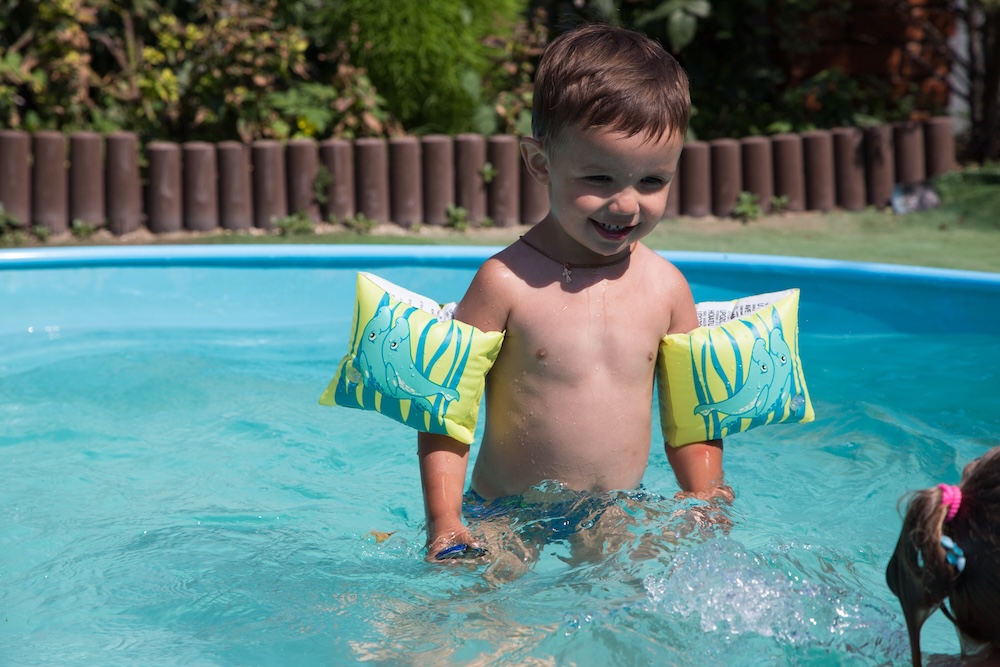
While water can be a lot of fun, keeping your little ones safe is always the top priority. During a routine well-child checkup at our Cumming pediatric clinic or in a conversation with our team, Vickery Pediatrics is happy to discuss water safety tips with parents and caregivers. Whether you’re splashing around in the tub, taking a dip in the pool, heading to a lake or going to the beach, here are some of the top water safety tips from our pediatrician.
Essential Water Safety Tips All Families Should Know
From bathtubs and backyard play areas to pools and beaches, water is a part of everyday life. Playing in water is fun, but accidents can happen quickly and when you least expect them. Because children are naturally curious and may not be aware of the potential dangers, adults need to remain vigilant when water is involved.
Being educated about basic water safety strategies can minimize risks and prevent potential accidents. Ensure the safety of your little ones with the following pediatrician-recommended tips.
Be on Alert at All Times
When it comes to water, emergency situations can arise in a matter of seconds. The best way to prevent accidents is by providing active supervision. Whether your children are playing in a kiddie pool or taking a bath, an attentive adult should always be present. Just as when you use sun protection strategies to prevent too much exposure to UV rays, being attentive around water is even more important.
Phones, books, and anything else that may be distracting should be avoided. Even a momentary lapse in supervision can increase the risk of an accident.
Be Mindful of Unexpected Water Hazards
Water hazards are not limited to large bodies of water. Bathtubs, buckets, ponds, fountains, puddles and even pet water dishes and toilet bowls can be hazardous for young children.
To help reduce the risk of accidents, empty any containers immediately after use, and make sure your child is supervised whenever sources of water are near. Additionally, keep bathroom doors closed, lift pet water dishes off the floor, and secure access to any location where water is present.
Ensure Pool Areas Are Properly Secured
If you have a swimming pool, make sure that the area is properly secured. Fences, self-closing gates and alarms are all features that should be used to improve safety. Also, make sure life vests are readily available and used whenever your children are around the pool.
It’s also important to understand when your child is ready to go into a pool. But even with these safeguards, attentive adult supervision is still necessary to reduce the risk of accidents.
Be Prepared for Unexpected Emergencies
Should an emergency arise, having a plan in place can make all the difference. Parents and caregivers should be trained in CPR, up-to-date emergency contact information should be within easy reach, and rescue equipment should always be accessible. Prompt action can be critical in emergency situations.
If a water-related injury does occur, adults should know when to visit a pediatric urgent care to ensure timely medical intervention.
Visit Our Cumming Pediatric Clinic Today
Practicing water safety is paramount whenever young children are involved. At Vickery Pediatrics, our pediatric primary care doctor is proud to provide comprehensive care, including routine checkups, sick visits and pediatric primary care. For more water safety tips or to schedule an appointment, contact us today. Call (678) 990-2501 or request an appointment now.


